Michigan has an official state gemstone, and most Michiganders have never seen one. It is called chlorastrolite, though everyone up here just says greenstone, and it holds a distinction almost no other gem on the planet can claim: it is found in exactly one place on Earth, the U.P.’s Keweenaw Peninsula and Isle Royale, and nowhere else. The catch is very U.P. too. The island the gem is named for is a national park, which means the best greenstone beaches in the world are strictly look-but-do-not-take.
Up close, a polished greenstone looks like something a jeweler invented: a deep green pebble covered in a tight mosaic of tiny star-shaped segments, a pattern collectors call turtleback, with a silky cat’s-eye shimmer that moves as you turn it. The name chlorastrolite is Greek for “green star stone.” Most are the size of a pea or a bean. A gem-quality stone bigger than half an inch is a genuine event, and the largest ever found, about 1.5 by 3 inches, sits in the Smithsonian.

Born in the same lava as the copper
Greenstones are a souvenir of the same cataclysm that made the Copper Country. About 1.1 billion years ago the continent tried to split apart along the Midcontinent Rift, flooding the Lake Superior basin with lava. As those flows cooled, gas bubbles froze into the rock, and over ages a mineral called pumpellyite filled some of those little cavities. Erosion and ice ground the basalt away and set the nodules loose. Scientists first described the stone from Isle Royale in 1847, right as the copper rush was getting started, and Keweenaw miners kept turning up the little green orbs in their rock ever after. Sometimes a hollow one even filled with copper itself, the Copper Country two-for-one.

The driveway-gravel debate
The road to official status was not exactly dignified. When Michigan’s rockhounds and lapidary clubs lobbied the Legislature to name greenstone the state gem, the lawmakers had their fun first. One senator from Kalamazoo cracked that it looked like “stuff I put on my driveway at $40 a load,” another asked whether chlorastrolite was related to the stuff that clogs arteries, and a third announced his wife would not be trading in her diamond. They passed it anyway. Governor William Milliken signed Public Act 56 of 1972, and the U.P.’s one-source gem became the official gemstone of the whole state. And to clear up the eternal confusion: the Petoskey stone is Michigan’s state stone. The greenstone is the state gem, and the gem is all Yooper.
Hunting one, legally
Here is the honest guide. Isle Royale is completely off limits, since removing anything from a national park is illegal, so the island with the gem’s name on it is for admiring only. On the mainland Keweenaw, the classic hunting grounds are the old copper-mine spoil piles and certain beaches, though the pickings get thinner every year as old rock piles are crushed for road fill and more land goes private, so get permission before you poke around anyone’s property. An unpolished greenstone is famously easy to walk past, just a dull greenish pebble until it is wet or polished. If you want a sure thing, the rock shops and jewelers of the Copper Country sell polished stones and wire-wrapped pieces, and buying one supports the handful of people keeping the craft alive. Either way, you will own something rarer than a diamond: a gem the whole rest of the world has to come to the U.P. to find.
Go See It
Isle Royale National Park
- Hours
- Park open April 16 to October 31. Rock Harbor and Windigo visitor centers daily 8 a.m. to 5 p.m. ET, June 5 to September 19. Houghton visitor center Monday to Friday 10 a.m. to 4 p.m. ET, September 21 to October 31.
- Cost
- $7 per person per day; children 15 and under free. Season pass $60, covers the holder plus up to three adults. Entrance fees are cashless, cards only. Ferry or seaplane fare is extra.
- Season
- Park open April 16 to October 31, closed November 1 to April 15. Ferry and seaplane service runs from mid-May to September, so late-season trips need a boat that is still sailing.
- Drive
- From Marquette: 2 hr 49 min (146 mi) via US-41 N, to the Copper Harbor ferry dock; the ferry to Rock Harbor is 3.5 hours more
From the Bridge: 5 hr 27 min (309 mi) via US-41 N, to the Copper Harbor ferry dock (toll on the Bridge)
More worth reading


Sources, credits, and reporting details
Sources & accountability
How this story was reported
Editorial methodArchival synthesis
Last verifiedAug. 15, 2026
Corrections statusNo material correction note is recorded on this article.
AI assistanceResearched and drafted with AI tools. Reviewed and approved by editor Keegan O’Brien.
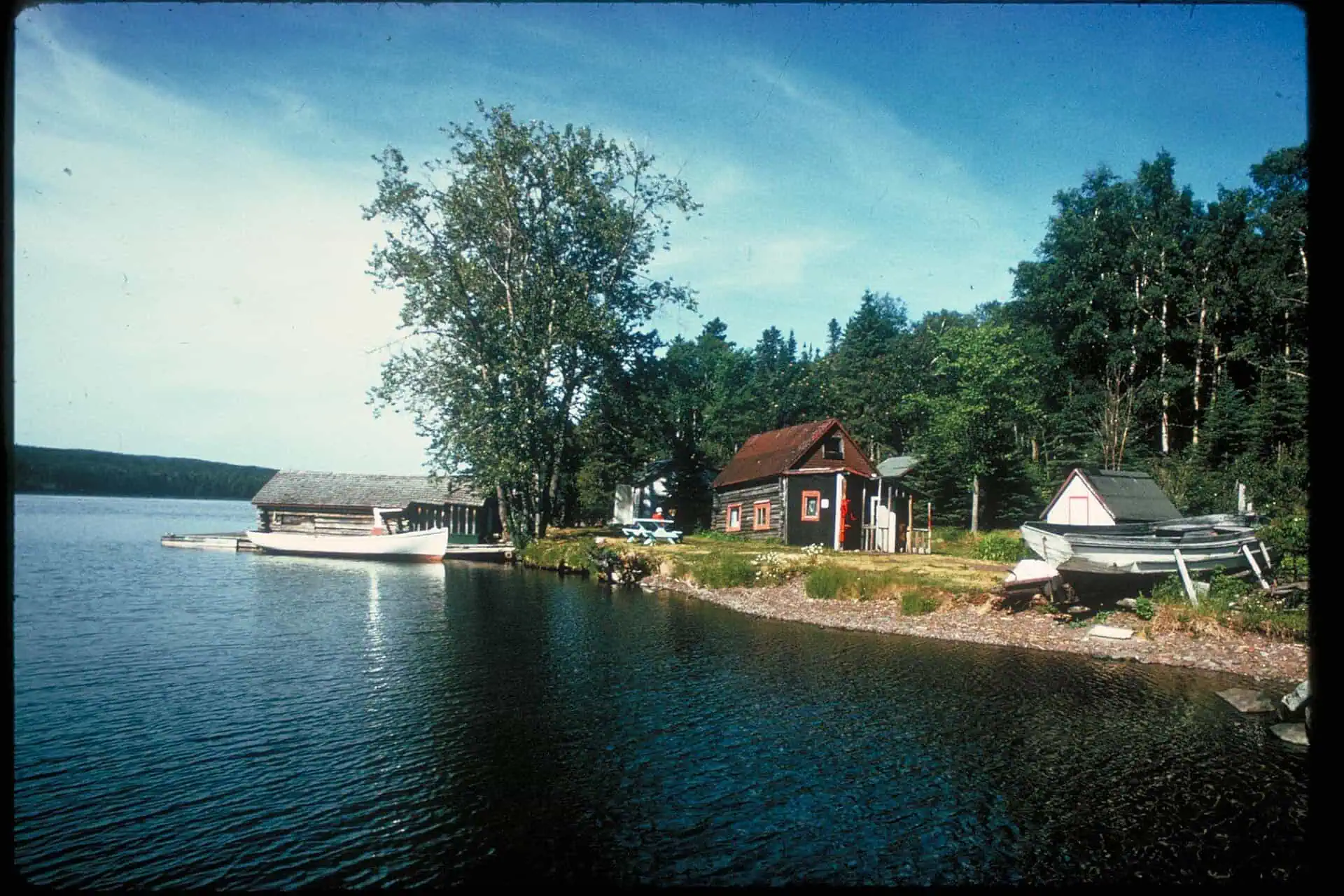
Verification note: Ledger reconstructed 2026-08-15 from the article's Sources line (Michigan Mineralogical Society; Grand Rapids Public Museum; mineralogical references on chlorastrolite; Public Act 56 of 1972), checked against the Michigan Legislature's text of Act 56, EGLE's state gemstone sheet, and the Grand Rapids Public Museum post. The featured image is an NPS Kodachrome of an Isle Royale fishery, not AI imagery, despite its CDN filename.
Primary sources
-
Act 56 of 1972, Michigan Compiled Laws (state gem: chlorastrolite) — Michigan Legislature
Published Mar. 30, 1973. Accessed Aug. 15, 2026.
Supports: Chlorastrolite designated the official state gem by Act 56 of 1972, effective 1973-03-30.
-
Michigan's State Gemstone (pumpellyite / chlorastrolite) — Michigan EGLE, Geological Survey
Accessed Aug. 15, 2026.
Additional reporting
-
Michigan's State Gemstone — Grand Rapids Public Museum
Accessed Aug. 15, 2026.
Supports: The gem's appearance and provenance and the museum's specimens.
-
Isle Royale National Park: laws and policies — National Park Service
Accessed Aug. 15, 2026.
Supports: Collecting rocks and minerals, greenstones included, is prohibited in the national park.
Photo and media credits
-
Isle Royale shoreline (featured image) — National Park Service
Featured image record. Accessed Jul. 24, 2026. Public domain (U.S. federal government work).
Reviewed 2026-08-15: a scanned NPS Kodachrome of a fishery on Isle Royale, ImageDescription carrying the park's site tagline; the gan_ filename is the NPS CDN's, not a generator's. Attachment 1856, 1920×1280.