When Finnish immigrants poured into the Upper Peninsula in the late 1800s to work the copper and iron mines, one of the first things many of them built was not a house. It was a sauna. And not because they were in a hurry to relax. A sauna gave you a warm, dry, clean place to sleep, cook on the stove, and wait out a brutal U.P. winter while you built everything else. Families genuinely lived in the sauna until the house was done.
That is how deep this runs here. The U.P., and especially the Copper Country up in the Keweenaw, sits in what people call the Sauna Belt, and it holds one of the densest concentrations of saunas anywhere in America. The reason is simple. Almost half of all the Finns who came to the United States settled in this region, drawn by a cold, forested landscape that looked and felt like home. They brought the sauna with them, and unlike the mines, it never left.

Bath house, birthing house, death house
To a Finnish family, the sauna was not a luxury. It was the most important room they had. It was where you got clean in an era before indoor plumbing, where the family gathered on Wednesday and Saturday nights, the traditional “sauna nights,” and where everyone scrubbed down before church on Sunday. It was also, quite literally, where life began and ended. Because it was the cleanest and warmest space on the property, women often gave birth in the sauna, and the bodies of the dead were washed there before burial. One writer summed up the old Finnish sauna as the family’s bath house, birthing house, and death house all in one.
In the mining towns, sauna became a shared institution. Finnish neighborhoods in places like Ishpeming, Marquette, Houghton, and Ironwood had public saunas, and as recently as the 1950s there were dozens of them across the U.P. Families would pack a towel and a change of clothes and walk down the block for their weekly sweat. Carl Pellonpää, the longtime honorary Finnish consul in the U.P., called it “poor man’s therapy.”

You are saying it wrong
Here is the part locals will correct you on immediately. It is not “SAW-na.” It is “SOW-na,” rhyming with “cow.” Say it the other way in the Keweenaw and you will out yourself as being from somewhere else. And yes, in the U.P., “sauna” is also a verb. You do not take a sauna. You sauna.
The real thing is a ritual, not a hot box at the gym. You fire a wood stove topped with round stones hours ahead, then throw water on the rocks to make löyly, the burst of steam that gives the sauna its soul. Löyly is also the old Finnish word for spirit and for life, which tells you how the Finns felt about it. You sit in 180-degree heat, gently slap your skin with a bundle of birch branches to get the blood moving, and then, if you are doing it properly, run outside and throw yourself into a snowbank or a hole in the frozen lake before heading back in to do it all again.
Still going strong
None of this is a museum piece. The sauna outlasted the mines that brought it here. Finnish sauna culture was added to UNESCO’s list of humanity’s intangible cultural heritage in 2020, and up in the U.P. the tradition never needed reviving. Small companies still hand-build cedar saunas that ship all over the country, and demand jumped during the pandemic as the rest of the world discovered what Yoopers already knew. For proof of how seriously the U.P. takes it, look no further than 1996, when more than 600 people crammed under a tent at a Marquette FinnFest and sweated together in what was billed as the World’s Largest Sauna. As the Finns like to say, in the sauna, everyone is equal.
More worth reading


Yooper Hub community
The conversation
Know something this story missed? Corrections and additions get read by an editor and folded into the article, with credit.
Real neighbors, real names. A Yooper Hub editor reads your first comment before it appears; after that you’re a known neighbor and your comments post right away. No account required. Community guidelines
Nothing here yet. A sentence is plenty: a correction, a name, or what you remember about this place.
Sources, credits, and reporting details
Sources & accountability
How this story was reported
Editorial methodAggregation
Accountable editor:Keegan O’Brien, publisher and editor.
Last verifiedJul. 14, 2026
Corrections statusNo material correction identified in the July 13, 2026 source review.
AI assistanceResearched and drafted with AI tools. Reviewed and approved by editor Keegan O’Brien.
Verification note: CEO-directed review checked the central claims against 1 direct public evidence link on July 13, 2026. No material correction was identified. Featured image rights and attribution independently verified against the Wikimedia Commons file record on 2026-07-14; attachment 1719 restored under Keegan O’Brien’s dated approval. Featured image rights and attribution independently verified against the retained source record on 2026-07-14; attachment 1719 restored under Keegan O'Brien dated approval.
Primary sources
-
Direct evidence for: In the U.P., Finnish Families Built the Sauna Before They Built the House — Finland
Accessed Jul. 13, 2026.
Direct public evidence reviewed against the article on July 13, 2026.
Photo and media credits
-
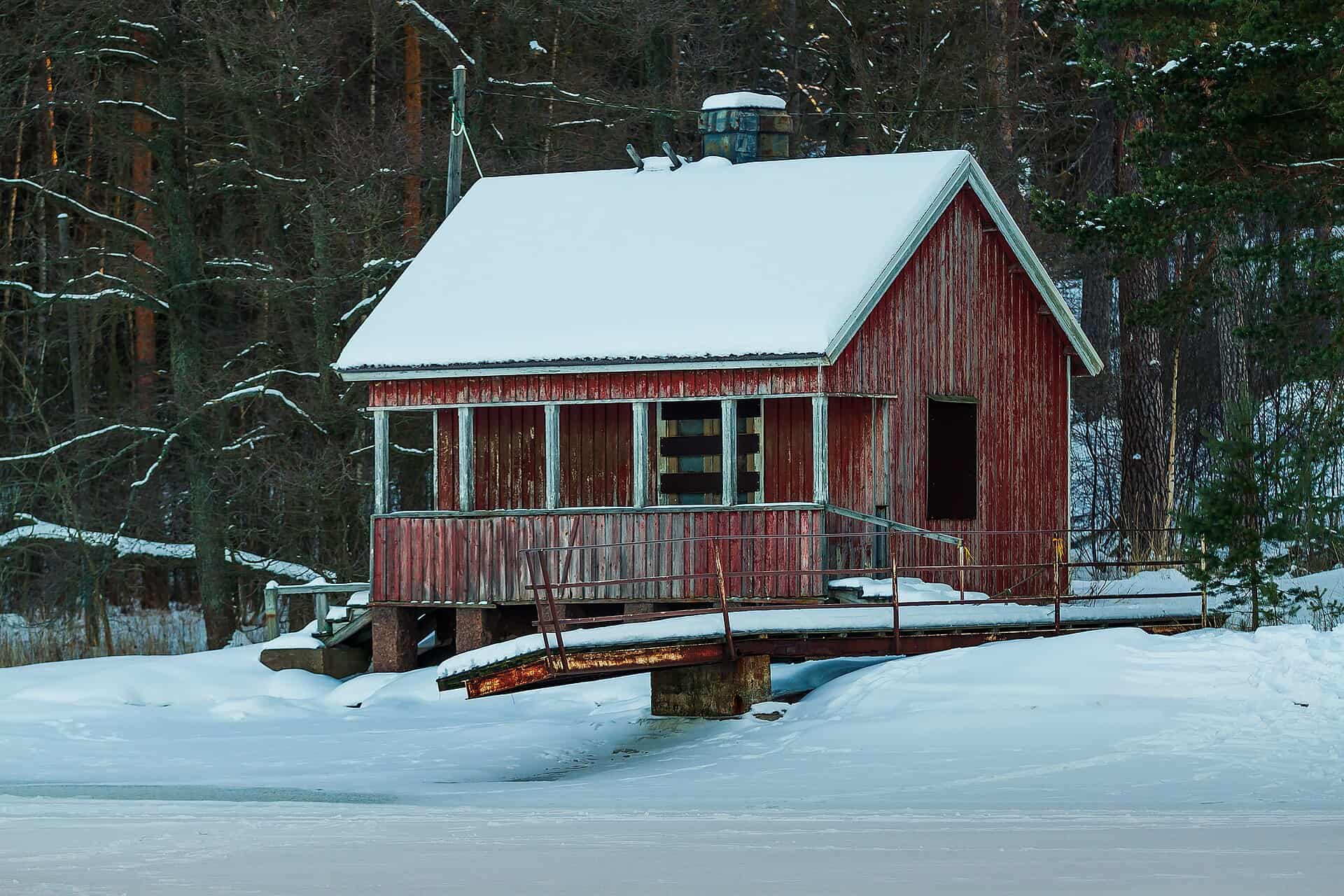
Wooden sauna building in Uutela, Vuosaari — Ximonic (Simo Räsänen) / Wikimedia Commons
Featured image record. Published Feb. 24, 2018. Accessed Jul. 14, 2026. CC BY-SA 4.0.
Supports: Featured image used illustratively for this article’s Finnish sauna subject.
The photograph depicts Finland and is used illustratively for U.P. Finnish heritage. Photo: Ximonic / Simo Räsänen, via Wikimedia Commons (CC BY-SA 4.0). Local crop and resize.
