Corrected Sept. 10, 2026: The EPA finalized the rule Jan. 31, 2024 and published it March 6, 2024. The rule added the first mercury limits and tightened existing acid-gas limits. The $143 million Cliffs reports is the water-treatment piece of Empire’s retirement obligation, not the whole obligation.
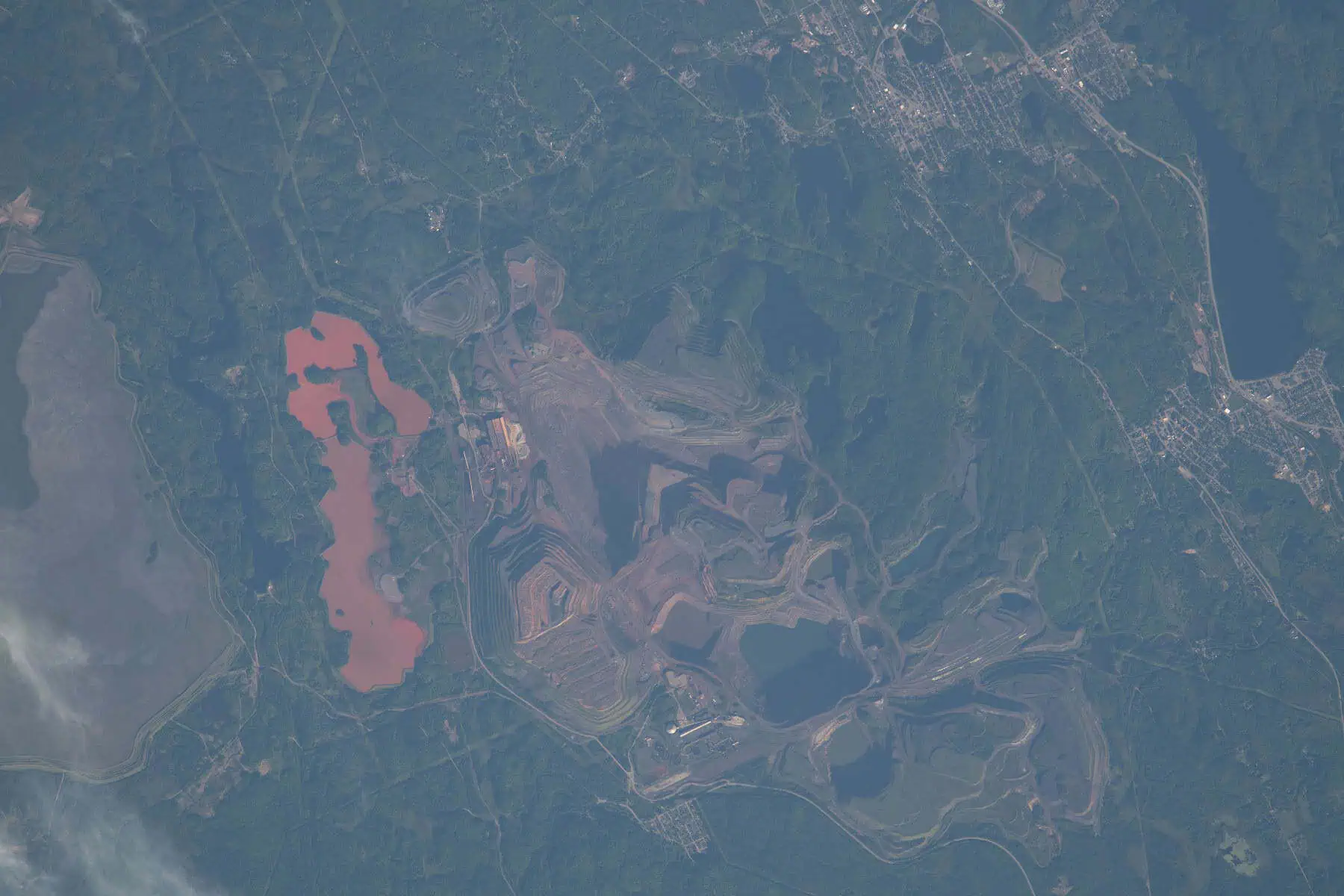
On July 17, 2025 the White House signed Proclamation 10958. Annex I names two Marquette County iron mines, Tilden and Empire, among eight U.S. taconite plants getting two more years before the first federal mercury limits on the industry take hold. Empire has not produced a pellet since August 2016. And the federal government’s own analysis never expected Tilden to need mercury controls at all.
Why it read like April news
The proclamation circulated locally as a spring 2026 story because WLUC found it and reported it on April 28, 2026. The document was published in the Federal Register on July 23, 2025. It has been public for more than a year.
It is also narrower than “exemption” suggests. The text extends every compliance deadline in the 2024 rule “by 2 years from the date originally required,” and keeps the plants “subject to the emissions and compliance obligations that they are currently subject to under the applicable standard as that standard existed prior to the Taconite Rule.” The older limits stay in force. The mercury and acid gas limits move from March 8, 2027 to March 8, 2029.
The rule being delayed
The EPA finalized the rule on January 31, 2024, and published it March 6, 2024, at 89 FR 16408. It added the first mercury limits to the existing air toxics standard for taconite furnaces and tightened its limits on hydrochloric acid and hydrogen fluoride. The agency estimated the industry’s operating plants together emit about 751 pounds of mercury a year and that the rule would cut roughly 247 pounds of that.

That 247 figure is easy to misread. It is an industry-wide projection across the seven plants producing pellets when the rule was written, six of them in Minnesota. It is not Tilden’s emissions. In the EPA memo behind the proposal, Tilden’s mercury baseline was 42.2 pounds a year, about four percent of that memo’s 1,010-pound industry total. Keetac in Minnesota was 342.
One qualifier. This is the first federal mercury limit on taconite. Minnesota has had a state rule since 2014 requiring a 72 percent cut by 2025. Tilden and Empire were never covered by it.
Tilden’s problem was never mercury
The EPA’s economic analysis lists the plants needing new mercury controls: Hibbing, Minorca, United Taconite, Keetac and Minntac. Tilden is not on it. Tilden’s obligation is hydrochloric acid. The Federal Register notice says the plant “must reduce HCl emissions by 76 percent,” which the EPA expected it to do with dry sorbent injection, using hydrated lime, paired with its existing electrostatic precipitators.
Cleveland-Cliffs, which owns both mines, argued cost and timing. In a request letter quoted by WLUC, the company called the 2027 deadline “an extremely short period to marshal capital expenditures.” Cliffs is the second-largest private employer in Marquette County, about 960 people on the Lake Superior Community Partnership’s 2025 list.

Empire is a furnace that does not run
Empire Mine shut down production on August 3, 2016. An EGLE inspection report from January 2024 describes it as “preserved in a care and maintenance mode,” with any restart dependent on pellet prices. Cliffs’ latest annual report does not list it as operating. Inside Empire’s retirement obligation, Cliffs books about $143 million for a water treatment system serving Empire and Tilden, which it expects to start building in 2028. The extension for Empire defers a deadline at a plant with nothing to comply.
Where this is being fought
The Minnesota Center for Environmental Advocacy and the Natural Resources Defense Council sued the President and the EPA in federal court in Washington on February 2, 2026, case 1:26-cv-00287, arguing the proclamation goes beyond the exemption power the Clean Air Act gives the President and effectively suspends the rule. The government moved to dismiss. No ruling had been published as of this writing. A separate challenge to the 2024 rule itself, from the Fond du Lac Band and from U.S. Steel and Cliffs, sits at the D.C. Circuit.
How to pull Tilden’s own records
Every air permit, inspection report and stack test for a Michigan facility is public. Open EGLE’s MiEnviro Portal Site Explorer, no login needed, and search the state registration number: B4885 for Tilden, B1827 for Empire. In the filenames, SAR is an inspection, FCE a full compliance evaluation, VN a violation notice, TEST a stack test.
More worth reading


Yooper Hub community
The conversation
Know something this story missed? Corrections and additions get read by an editor and folded into the article, with credit.
Real neighbors, real names. A Yooper Hub editor reads your first comment before it appears; after that you’re a known neighbor and your comments post right away. No account required. Community guidelines
Nothing here yet. A sentence is plenty: a correction, a name, or what you remember about this place.
Sources, credits, and reporting details
Sources & accountability
How this story was reported
Editorial methodAnalysis
Last verifiedSep. 10, 2026
Corrections statusA material correction or update note is published in this article.
AI assistanceResearched and drafted with AI tools. Reviewed and approved by editor Keegan O’Brien.
Verification note: Corrected Sept. 10, 2026. The EPA finalized the rule Jan. 31, 2024 and published it March 6, 2024. The rule added mercury limits and tightened existing hydrochloric acid and hydrogen fluoride limits. The $143 million Cliffs reports is the water-treatment piece of Empire's retirement obligation, for a system that also serves Tilden. The suit's description now uses the complaint's own argument. As of Sept. 10, 2026 no ruling on the motion to dismiss had been reported and the EPA had not proposed a taconite reconsideration rule.
Primary sources
-
Proclamation 10958: Regulatory Relief for Certain Stationary Sources To Promote American Iron Ore Processing Security — Executive Office of the President, Federal Register
Published Jul. 23, 2025. Accessed Sep. 10, 2026. Public domain.
-
Regulatory Relief for Certain Stationary Sources to Promote American Iron Ore Processing Security (with Annex I) — The White House
Published Jul. 17, 2025. Accessed Sep. 10, 2026. Public domain.
-
National Emission Standards for Hazardous Air Pollutants: Taconite Iron Ore Processing (final rule, 89 FR 16408) — U.S. Environmental Protection Agency, Federal Register
Published Mar. 6, 2024. Accessed Sep. 10, 2026. Public domain.
-
Fact Sheet: Final Amendments to Air Toxics Standards for Taconite Iron Ore Processing — U.S. Environmental Protection Agency
Accessed Sep. 10, 2026. Public domain.
-
40 CFR 63.9583: When do I have to comply with this subpart? — Electronic Code of Federal Regulations
Accessed Sep. 10, 2026. Public domain.
-
Economic Impact Analysis for the Final NESHAP: Taconite Iron Ore Processing Amendments — U.S. Environmental Protection Agency
Accessed Sep. 10, 2026. Public domain.
Dated January 2024.
-
Memorandum: Development of Impacts for the Proposed Amendments to the NESHAP for Taconite Iron Ore Processing — U.S. Environmental Protection Agency (docket EPA-HQ-OAR-2017-0664)
Published Mar. 21, 2023. Accessed Sep. 10, 2026. Public domain.
-
Taconite Industry Mercury Reduction Overview — Minnesota Pollution Control Agency
Published Oct. 1, 2019. Accessed Sep. 10, 2026.
-
Inspection report, Empire Iron Mining Partnership (SRN B1827) — Michigan Department of Environment, Great Lakes, and Energy
Published Feb. 29, 2024. Accessed Sep. 10, 2026.
Inspection on Jan. 17, 2024; report dated Feb. 29, 2024.
-
Inspection report, Tilden Mining Company (SRN B4885) — Michigan Department of Environment, Great Lakes, and Energy
Published Feb. 21, 2023. Accessed Sep. 10, 2026.
-
Cleveland-Cliffs Inc. Form 10-K for fiscal year 2025 — Cleveland-Cliffs Inc., via SEC EDGAR
Published Feb. 9, 2026. Accessed Sep. 10, 2026.
-
Complaint, Minnesota Center for Environmental Advocacy and NRDC v. Trump (D.D.C. 1:26-cv-00287) — Natural Resources Defense Council (court filing)
Published Feb. 2, 2026. Accessed Sep. 10, 2026.
-
Minnesota Center for Environmental Advocacy et al. v. Trump et al. — Natural Resources Defense Council
Published Apr. 10, 2026. Accessed Sep. 10, 2026.
-
Motion for stay pending review, U.S. Steel v. EPA, No. 24-1109 (consolidated with Nos. 24-1107 and 24-1110) — U.S. Court of Appeals for the D.C. Circuit filing (hosted by NACAA)
Published Jun. 3, 2024. Accessed Sep. 10, 2026.
-
2025 Principal Employers: Marquette County — Lake Superior Community Partnership
Published Nov. 4, 2025. Accessed Sep. 10, 2026.
Supports: Supports: Cleveland-Cliffs is No. 2 among Marquette County private employers with 960 employees.
Additional reporting
-
TV6 Investigates: President grants 2 UP mines exemptions from new air quality rule — WLUC-TV6
Published Apr. 28, 2026. Accessed Sep. 10, 2026.
Photo and media credits
-
ISS067-E-174345 Tilden and Empire mines in Marquette County, Michigan.jpg (featured image) — NASA, via Wikimedia Commons
Featured image record. Accessed Sep. 10, 2026. Public domain.
Supports: Featured image, credited on the page as "Photo: NASA, public domain, via Wikimedia Commons."
Photographed from the International Space Station on July 2, 2022. Resized for the site.
