A mile underground in the Copper Country, in the dark, with hundreds of feet of rock overhead and the timber supports groaning around you, you would sometimes hear it. A faint knocking in the rock, like a tiny pick working somewhere just out of sight. The Cornish miners who opened these mines had a name for whatever made that sound. They called them the tommyknockers, and a lot of hard men who did not scare easily took them very seriously.
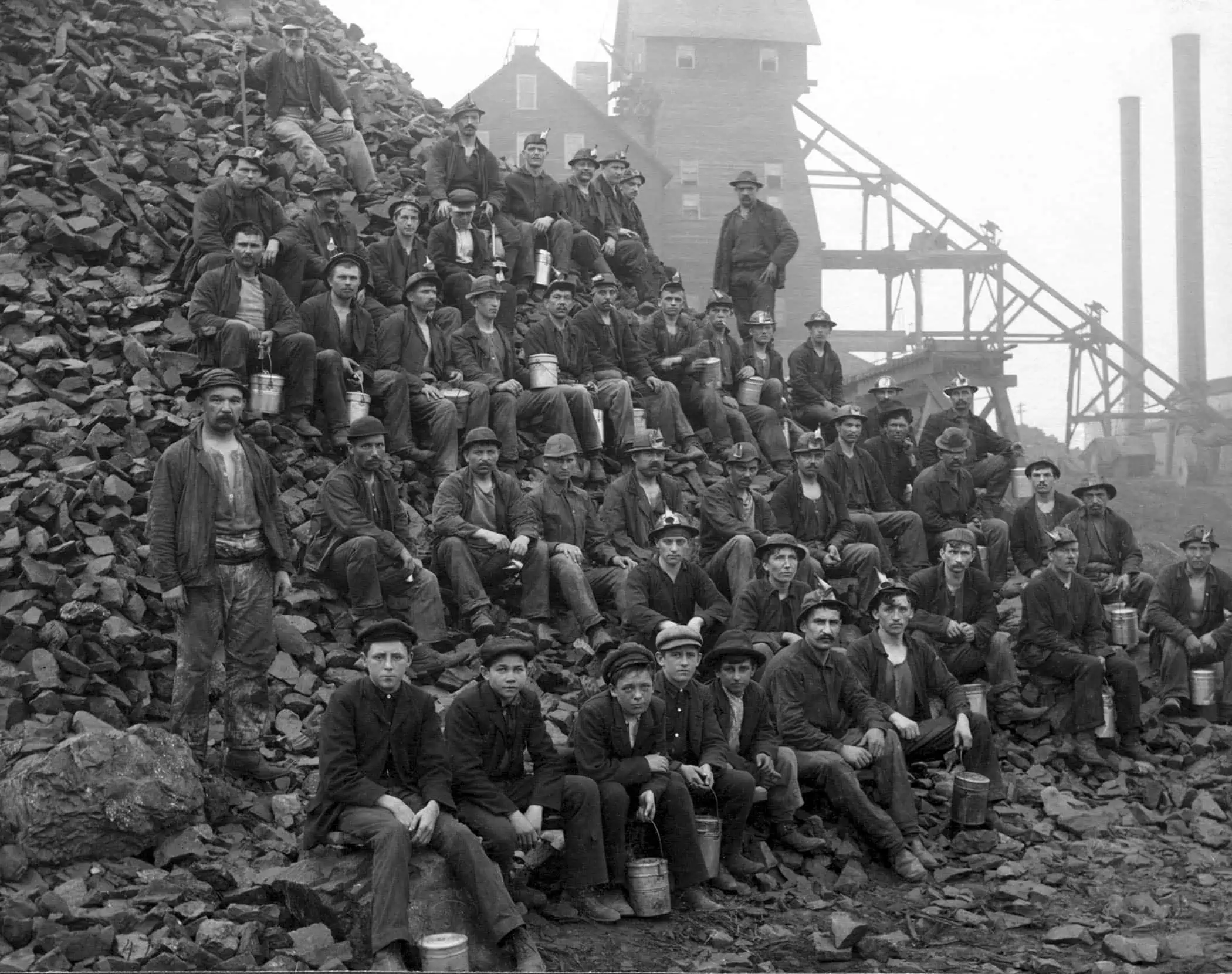
The story rode into Michigan the same way the pasty did, in the pockets of Cornish miners. When the copper and iron mines of the Upper Peninsula needed experienced hard-rock men in the mid-1800s, they recruited heavily from Cornwall, where families had worked tin and copper for centuries. Those miners were nicknamed “Cousin Jacks,” and they brought their tools, their food, and their ghosts with them.

Half helper, half thief
Back in Cornwall the knockers were described as little men about two feet tall, wrinkled and whiskered, dressed in miniature miner’s clothes. They were not exactly friendly and not exactly enemies. They stole tools and hid lunches and played mean little tricks. But they also knocked on the rock to warn men of a cave-in before it happened, and their tapping was said to grow louder near a rich vein. A good miner learned to listen.
There was disagreement about what they actually were. Some held they were a kind of underground fairy folk. Others, especially in America, came to believe the knocking was the ghosts of miners killed in earlier accidents, still down there, still working, still trying to warn the living. In a job that killed men by the dozen, that second version was easy to believe.

Why you left part of your pasty
This is where the pasty comes back in. The custom, carried straight from Cornwall to the Keweenaw, was that you did not eat the whole thing. You left the last bite, usually the thick crimped crust that served as a handle, sitting in the drift for the knockers. Feed them and respect them and they looked after you. Ignore them, whistle underground, or make the sign of the cross where they could see it, and you were asking for trouble.
The belief was stubborn. In one often repeated account from out West, when a big mine shut down in the 1950s, descendants of Cornish miners petitioned the owners to formally “release” the knockers so the spirits could move on to other mines. The owners, remarkably, agreed. Here in the U.P., folklorist Richard Dorson came through the mining towns in 1946 and collected enough of these Cousin Jack tales to fill part of his 1952 book, which is why the stories survived at all.
What the knocking really was
The unromantic explanation is that a working mine is never silent. Rock under enormous pressure creaks and settles, water drips, timber shifts, and the ground genuinely does groan before it fails. Miners who spent their whole lives underground learned to read those sounds, and a warning knock that came true often enough was not superstition to them, it was experience. Whether you call it the ghost of a dead Cousin Jack or the physics of a mile of rock, the lesson was the same. When the knocking starts, pay attention.
More worth reading


Yooper Hub community
The conversation
Know something this story missed? Corrections and additions get read by an editor and folded into the article, with credit.
Real neighbors, real names. A Yooper Hub editor reads your first comment before it appears; after that you’re a known neighbor and your comments post right away. No account required. Community guidelines
Nothing here yet. A sentence is plenty: a correction, a name, or what you remember about this place.
Sources, credits, and reporting details
Sources & accountability
How this story was reported
Editorial methodArchival synthesis
Last verifiedJul. 13, 2026
Corrections statusNo material correction identified in the July 13, 2026 source review.
AI assistanceResearched and drafted with AI tools. Reviewed and approved by editor Keegan O’Brien.
Verification note: CEO-directed review checked the central claims against 1 direct public evidence link on July 13, 2026. No material correction was identified.
Primary sources
-
Direct evidence for: Miners in the U.P. Left Part of Their Lunch Underground for the Tommyknockers — Wisconsinhistory
Accessed Jul. 13, 2026.
Direct public evidence reviewed against the article on July 13, 2026.
Photo and media credits
-
TamarackMiners_CopperCountryMI — Creator or rights holder named in the WordPress attachment caption
Featured image record. Accessed Jul. 13, 2026. public domain.
Supports: Featured image used by this article.
Miners underground in the Copper Country. In the dark and the groaning timber, a knock could mean a warning or a welcome. Photo: Tamarack Mine, Copper Country, Michigan / Wikimedia Commons (public domain).